
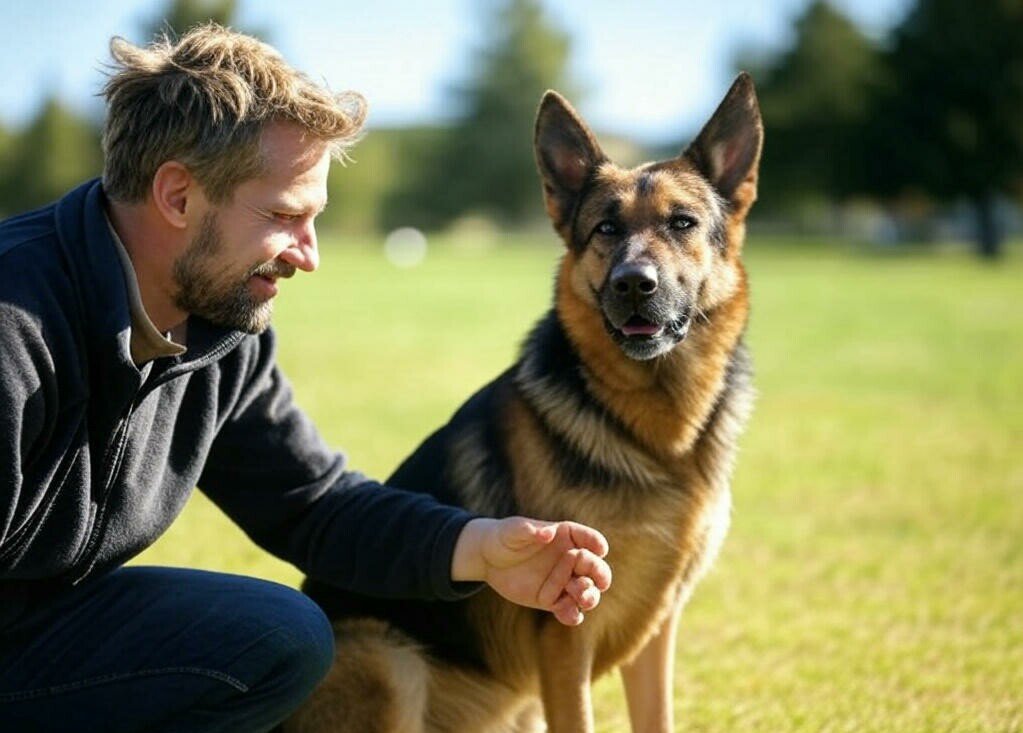
German Shepherds and Belgian Malinois are intelligent, loyal, and highly trainable breeds. These working dogs excel in obedience, protection work, and agility, making them popular choices for police, military, and active families. However, their high energy and intelligence require consistent and structured training. This guide will help you train your German Shepherd or Malinois effectively.
1. Start Early with Socialization
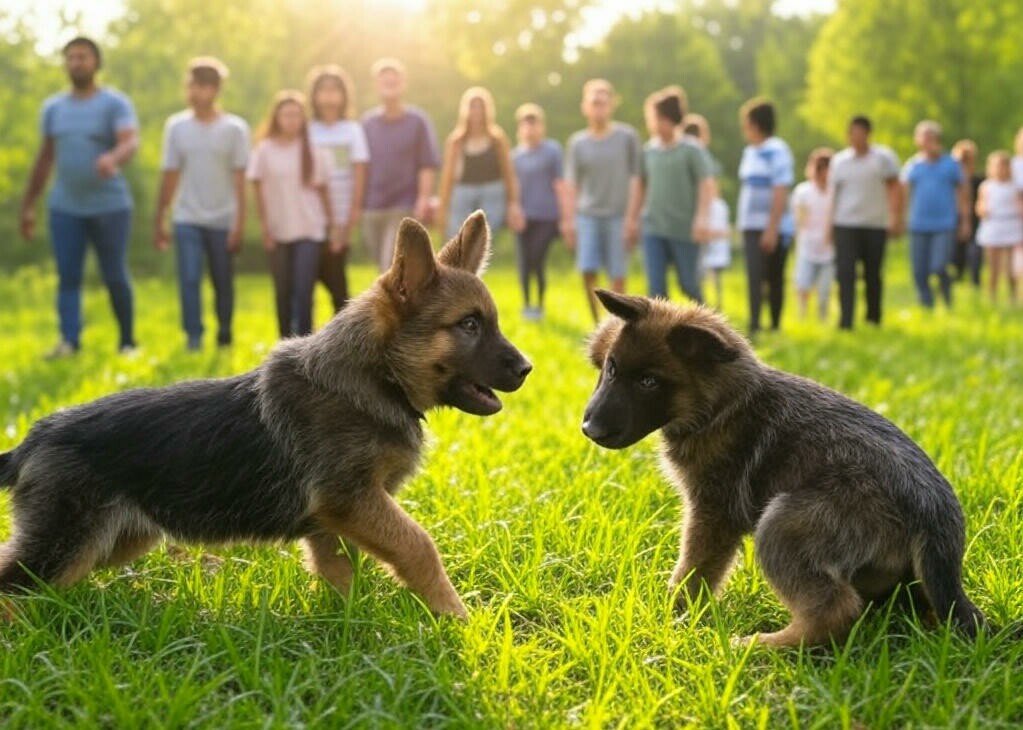
Early socialization is crucial for these breeds to develop into well-mannered adults. Expose your puppy to different environments, people, sounds, and other animals. Take them to parks, pet-friendly stores, and structured playdates to ensure they grow into confident and sociable dogs. This is also true if you happen to be dealing with an adult shepherd as they are quick learners. When dealing with adults, start in smaller localized environments and work your way to more public venues.
2. Establish Leadership and Consistency
Both German Shepherds and Malinois are highly intelligent and will test boundaries. Establish yourself as a firm yet fair leader. Use consistent commands, rules, and rewards to set clear expectations. Avoid harsh punishment, as these dogs respond better to positive reinforcement. Building an environment built on trust is the best path for long term control. Often, allowing your shepherd to spend significant time around you and your family lets them figure out their position in the family pack environment.
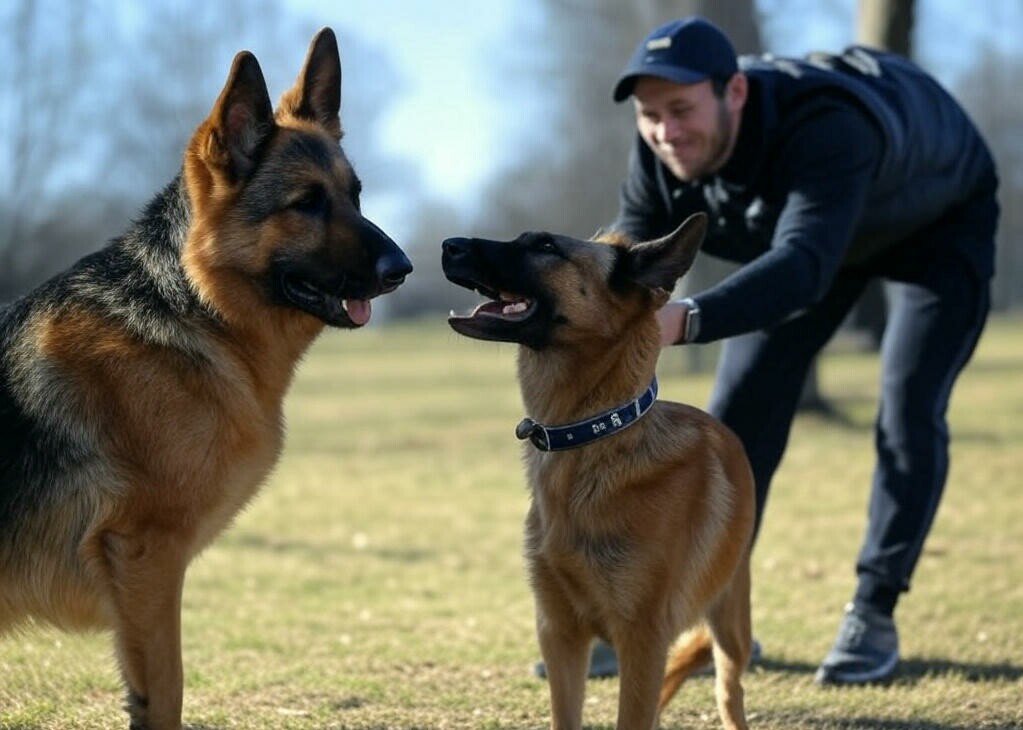
3. Basic Obedience Training
Teach essential commands such as:
- Sit
- Stay
- Come
- Heel
- Down
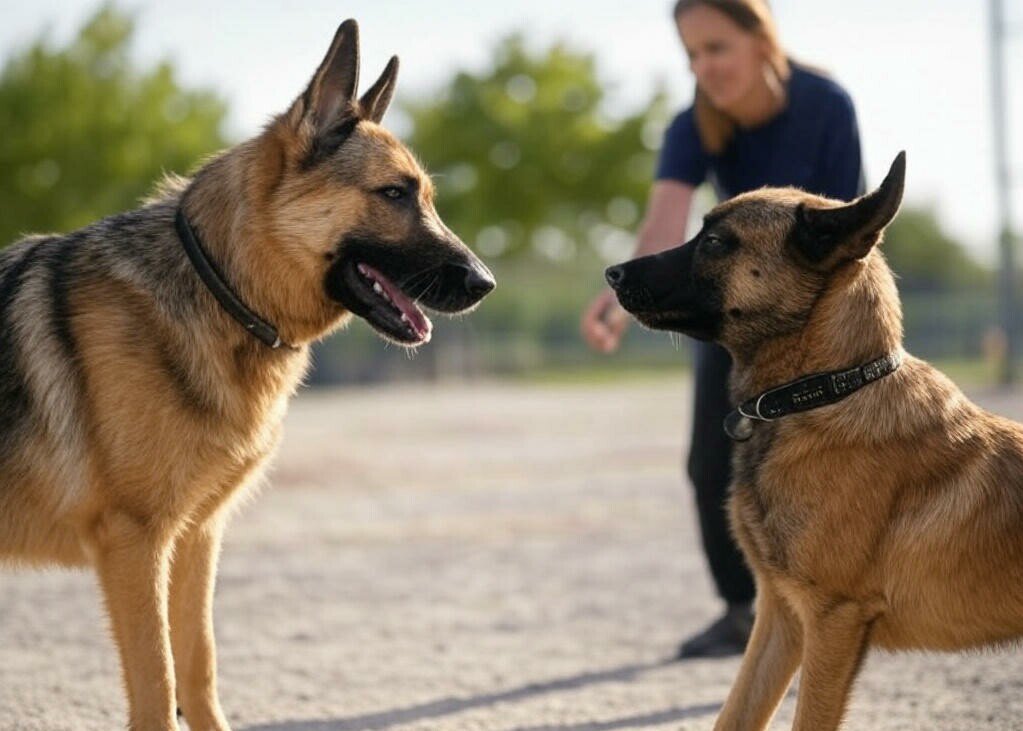
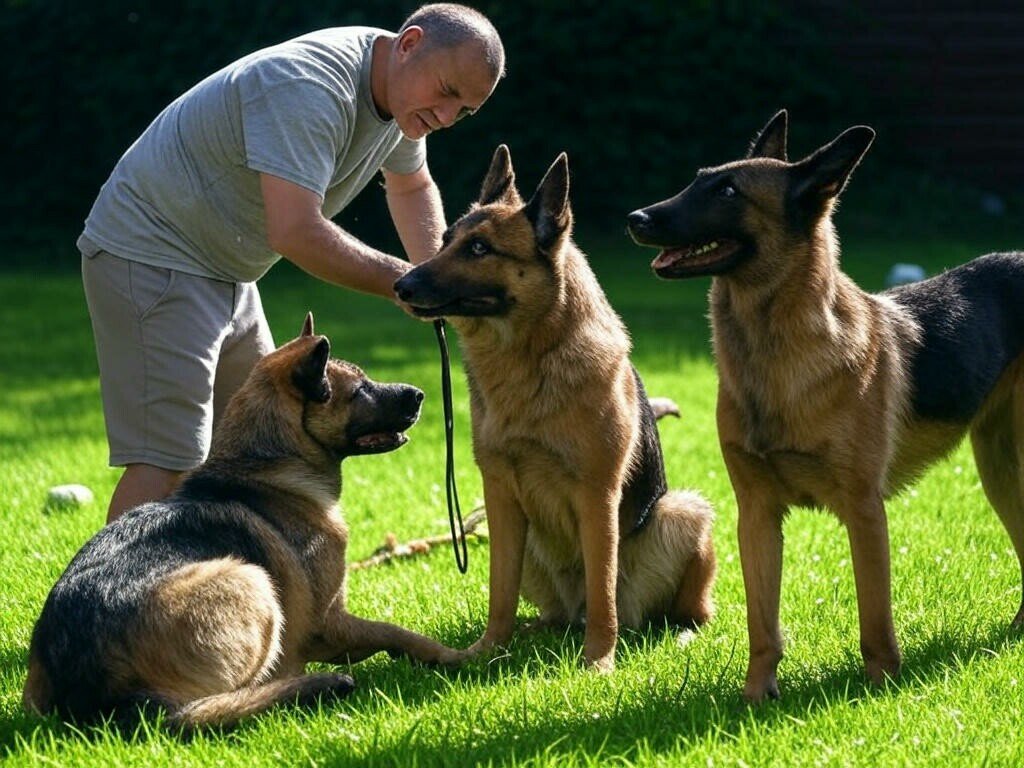
Use short, engaging training sessions with high value treats and praise to reinforce good behavior. These breeds thrive on structured learning and will quickly grasp new commands.
4. Advanced Training and Mental Stimulation
Because German Shepherds and Malinois are working dogs, they need ongoing mental challenges. Advanced training may include:
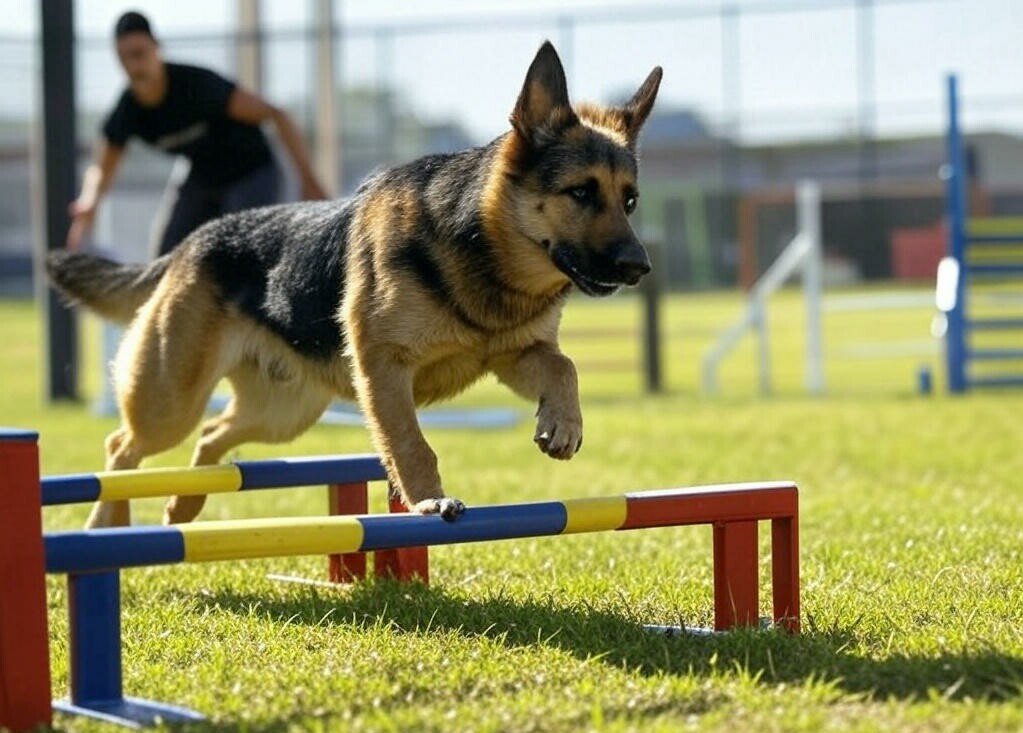
- Agility courses
- Scent work
- Protection training (with professional guidance)
- Search-and-rescue exercises
Interactive toys, puzzle feeders, and obedience drills help prevent boredom and destructive behaviors.
5. Proper Exercise and Play
These breeds require regular daily exercise. Long walks, running, hiking, and play sessions with balls or frisbees help burn excess energy. If not properly exercised, they may develop behavioral problems such as excessive barking or chewing. Proper exercise will have the added benefit of continued good health throughout your dog’s life.
6. Address Behavioral Issues Early
Common issues include:
- Separation anxiety – Avoid leaving them alone for extended periods without engagement.
- Aggression or overprotectiveness – Socialization and controlled exposure to new people and pets help reduce this.
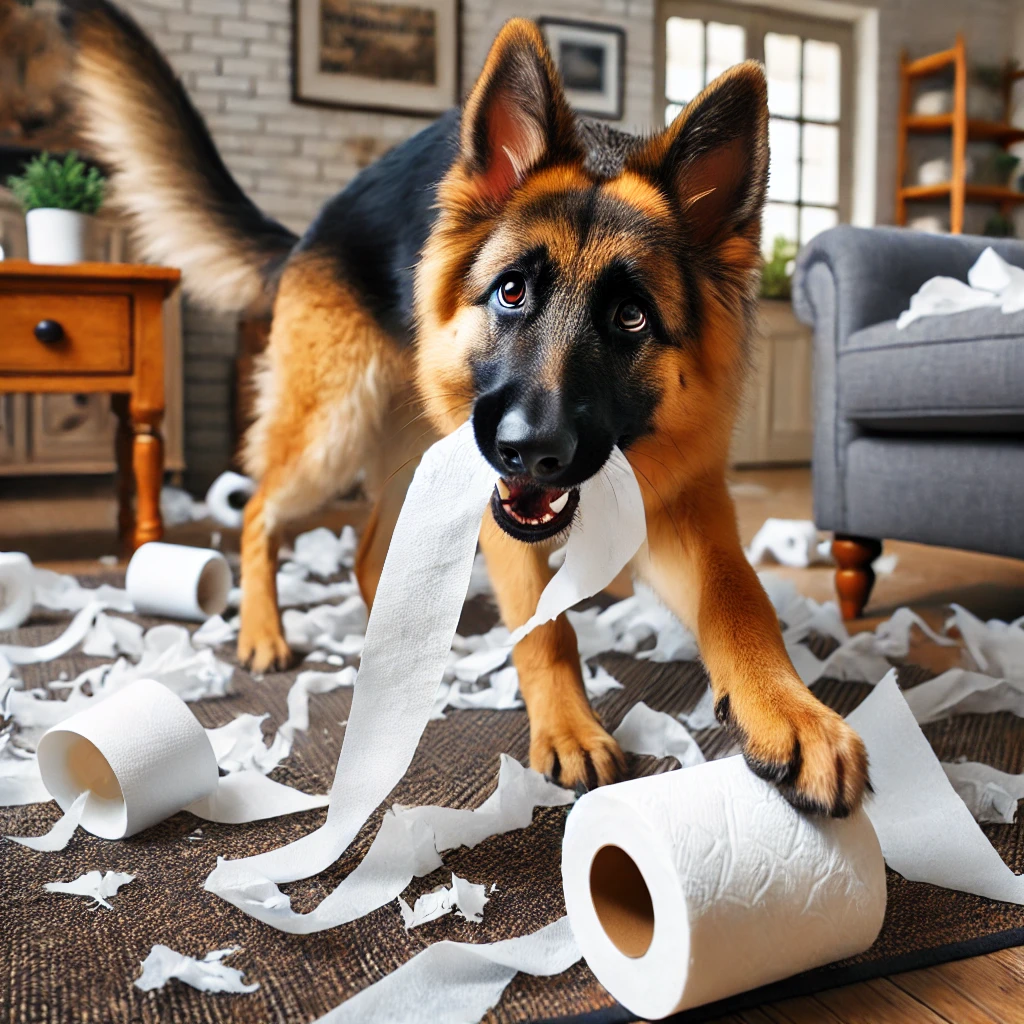
- Destructive behavior – Ensure they receive enough physical and mental stimulation.
If needed, seek a professional dog trainer to correct undesirable behaviors.
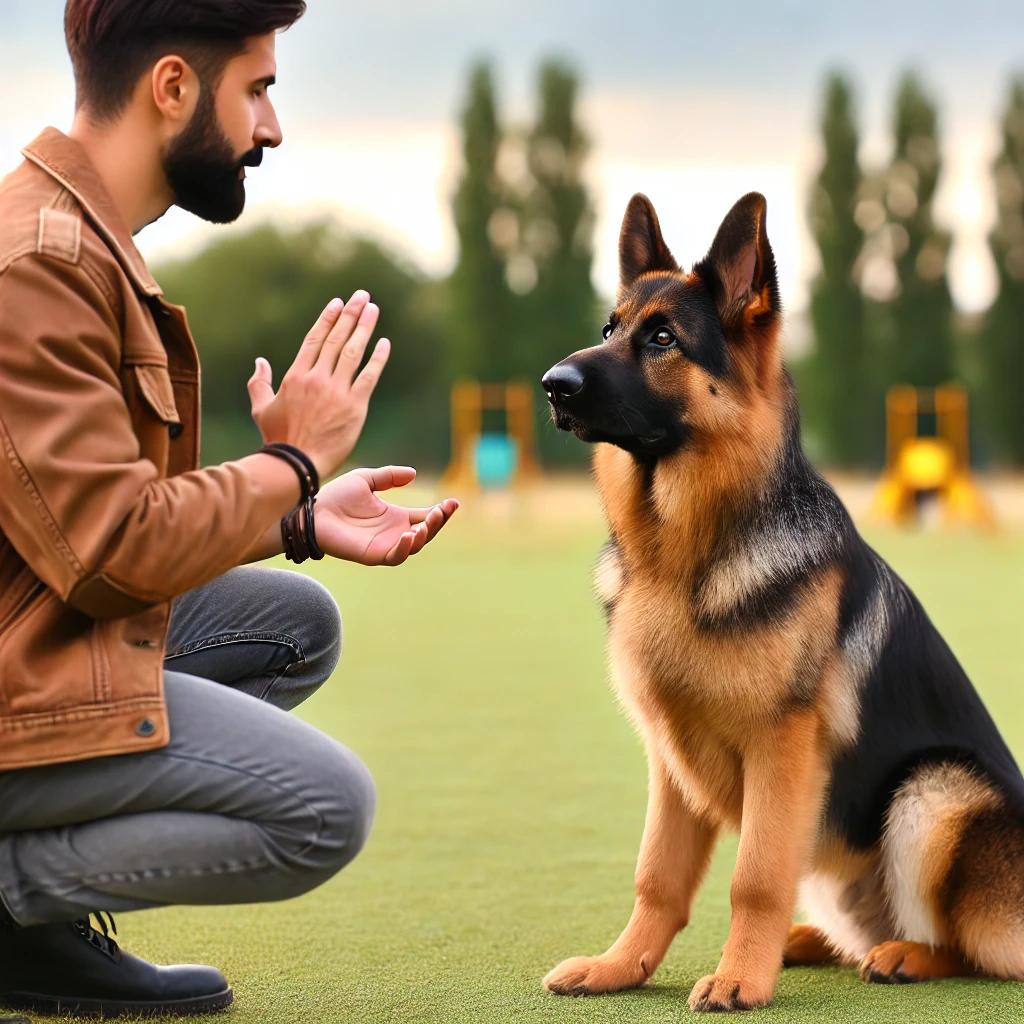
7. Use Positive Reinforcement Techniques
Reward-based training encourages good behavior without instilling fear. Use treats, praise, and playtime as rewards for following commands. Avoid yelling or punishment-based training, as it can lead to fear and anxiety.
8. Professional Training for Specialized Roles
If you want your German Shepherd or Malinois to perform specialized tasks such as protection or service work, enlist the help of an experienced professional trainer. These breeds excel in advanced training but require proper guidance to develop their skills effectively.
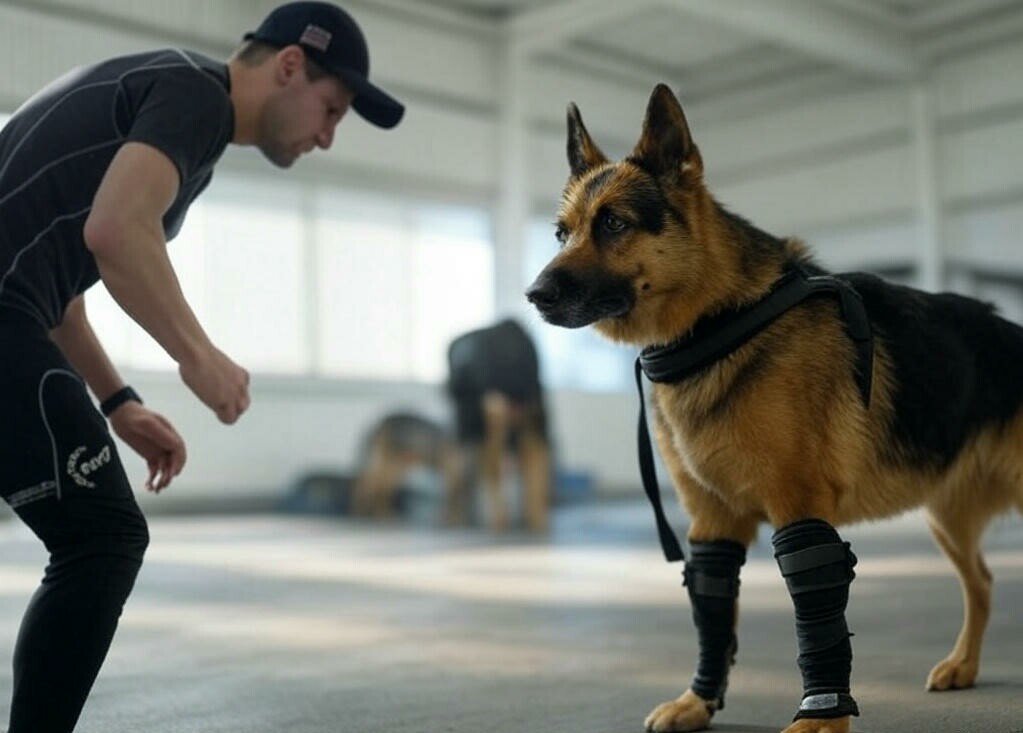
Training a German Shepherd or Malinois requires commitment, patience, and consistency. These breeds are eager to please and excel when given proper training and structure. By focusing on socialization, obedience, exercise, and mental stimulation, you can develop a well-behaved, confident, and loyal companion. Whether for companionship, protection, or working roles, a well-trained German Shepherd or Malinois will be a rewarding addition to any household.