
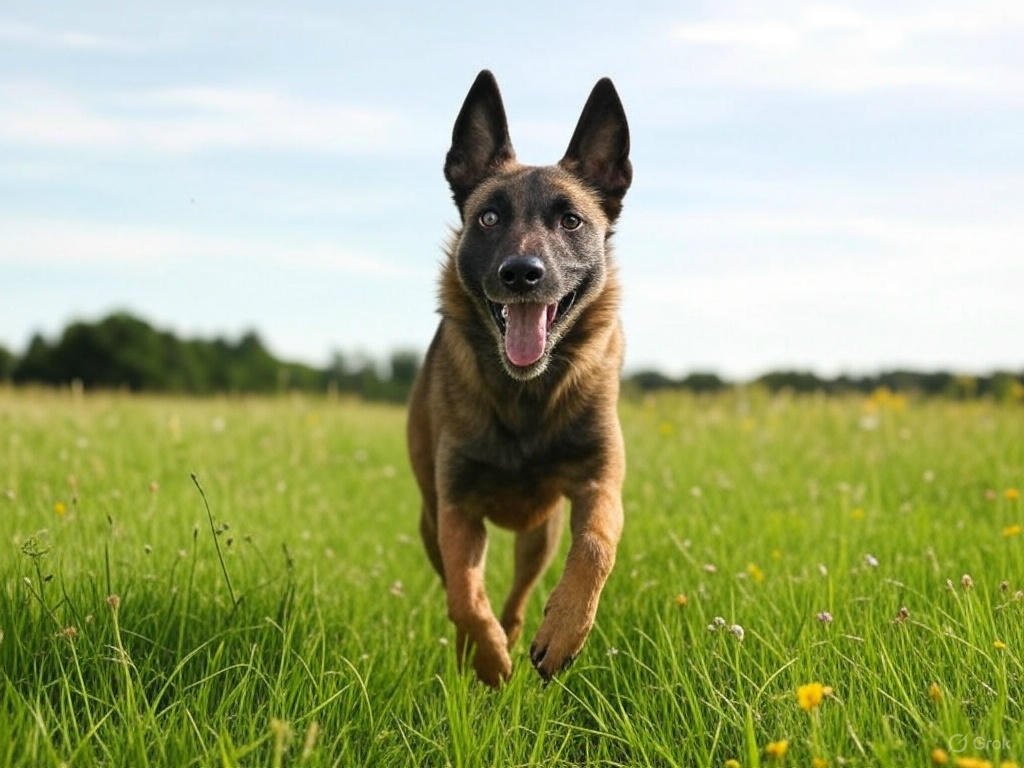
Adopting a German Shepherd or Malinois: A Comprehensive Guide
Adopting a dog is a life-changing decision, and when it comes to high-energy, intelligent breeds like the German Shepherd or Belgian Malinois, the stakes—and rewards—are even higher. Both breeds are renowned for their loyalty, versatility, and work ethic, often seen in roles like police K9 units, search-and-rescue teams, and as cherished family pets. However, they’re not for everyone. Before bringing one of these remarkable dogs into your home, it’s essential to weigh the good and the bad to ensure a harmonious match. Here’s what you need to know.
The Good: Why Adopt a German Shepherd or Malinois?
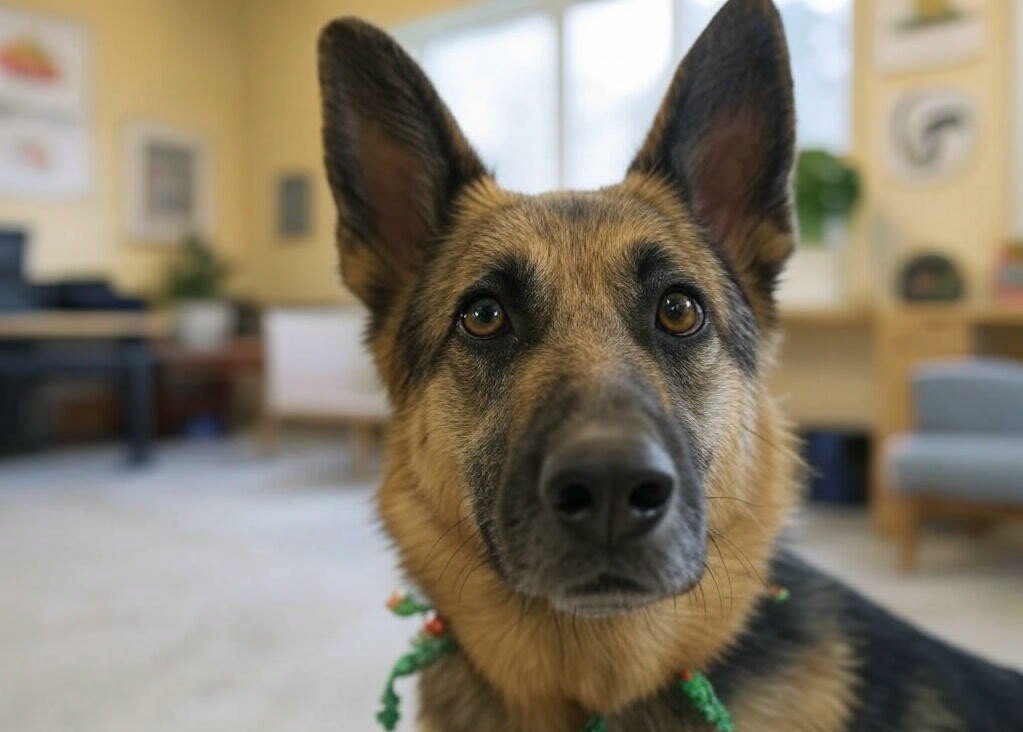
Unmatched Intelligence and Trainability
Both breeds are among the smartest in the canine world. German Shepherds are celebrated for their problem-solving skills, while Malinois often excel in agility and quick learning. This makes them highly trainable for obedience, tricks, or even advanced tasks like scent detection. If you’re an active person who enjoys teaching and engaging with your dog, these breeds will thrive under your guidance.
Loyalty and Bonding
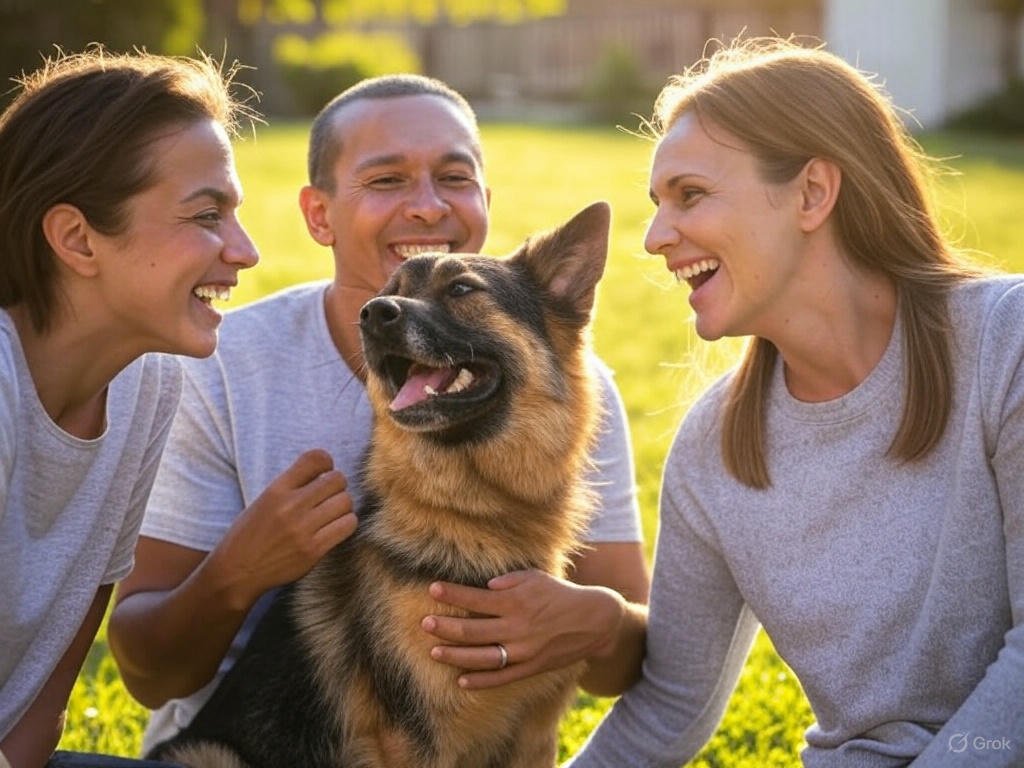
German Shepherds and Malinois form deep, unwavering bonds with their owners. They’re often described as “velcro dogs” because they love to stay close, offering companionship and protection. This loyalty makes them exceptional partners for individuals or families seeking a devoted four-legged friend.
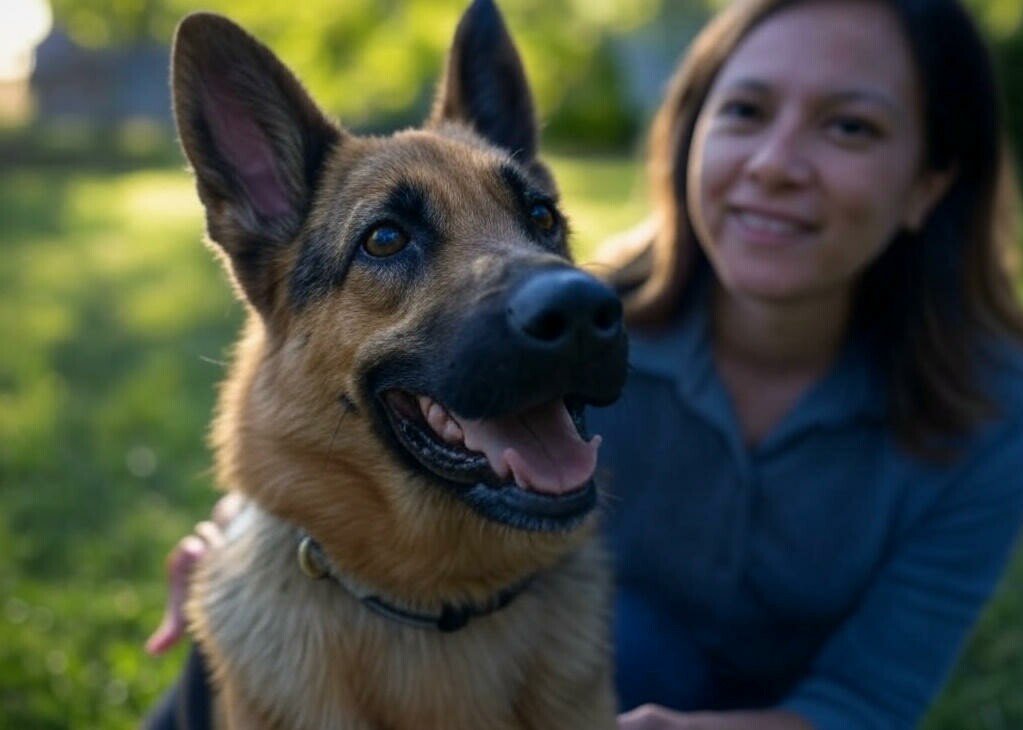
Physical Prowess and Versatility
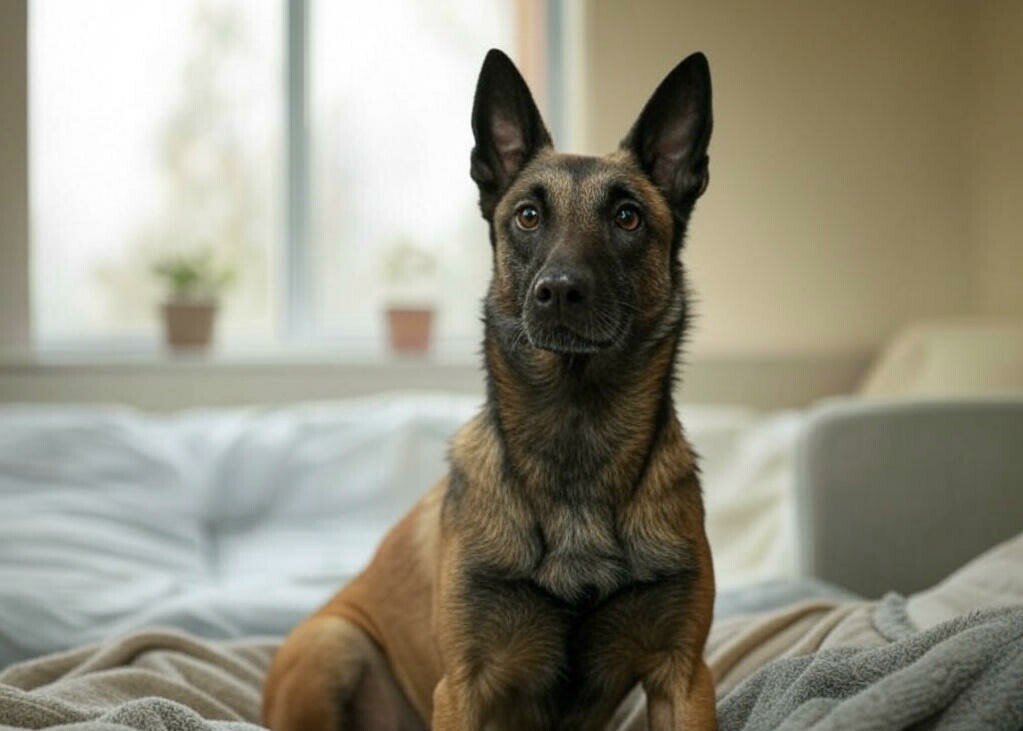
These breeds are built for action. German Shepherds, with their strong, balanced frames, excel in roles requiring endurance, while the leaner, more agile Malinois dominate in high-intensity activities. Whether you enjoy hiking, running, or outdoor adventures, they’ll keep up—and often push you to go further.
Protective Instincts
Both breeds have a natural guarding instinct, making them excellent watchdogs. German Shepherds tend to assess situations calmly before acting, while Malinois are more reactive and alert. With proper socialization, this protectiveness can provide peace of mind without turning into aggression.
Adoption Benefits
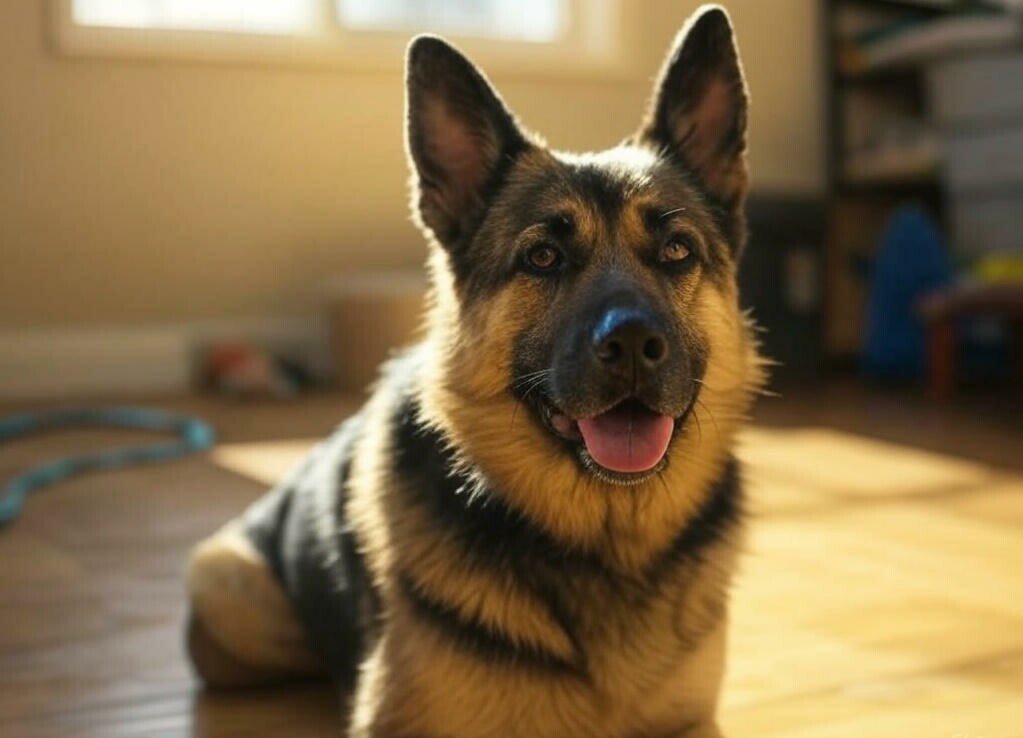
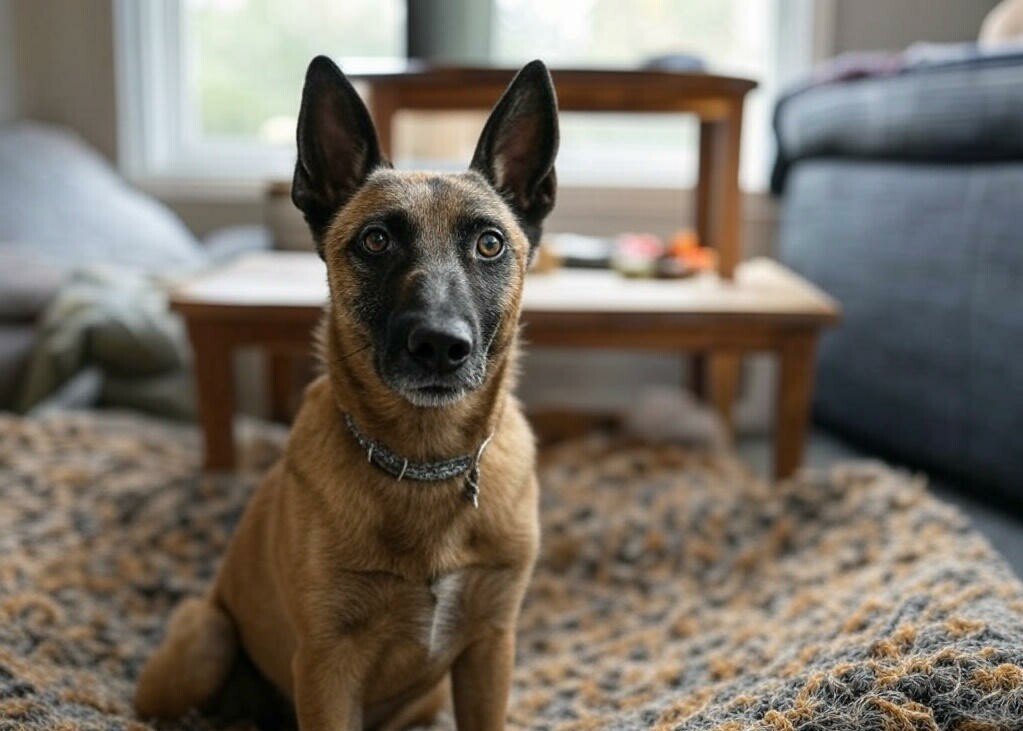
Adopting from a shelter or rescue often means giving a second chance to a dog that’s already house-trained or has basic skills. Many German Shepherds and Malinois end up in rescues due to owners underestimating their needs—not because of the dogs’ faults—offering you a chance to adopt a pre-vetted, often well-behaved companion.
The Bad: Challenges to Consider
High Energy Demands
These are not couch-potato dogs. German Shepherds need at least 1-2 hours of exercise daily, while Malinois often require even more—think intense play, running, or mental stimulation like puzzle toys. Without it, they can become bored, leading to destructive behaviors like chewing furniture or digging up your yard.

Strong Will and Independence
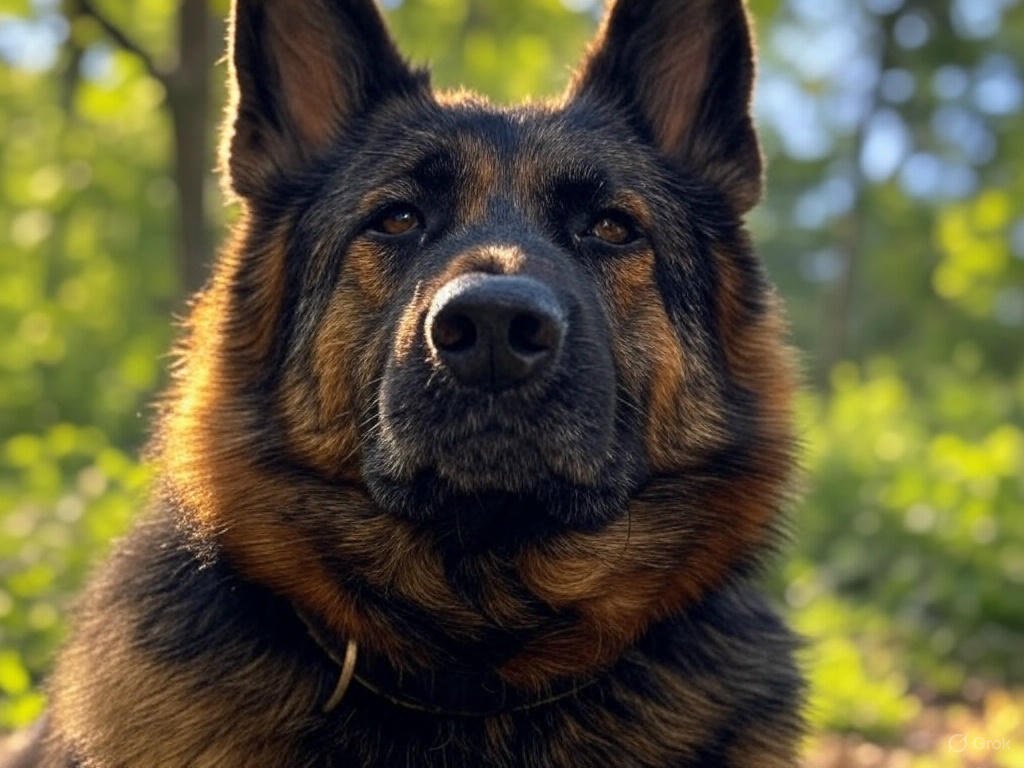
Their intelligence comes with a flip side: stubbornness. Both breeds can test boundaries, especially if they sense inconsistency. Training requires patience, firmness, and experience—novice owners may find themselves outmatched by a Malinois’s relentless drive or a German Shepherd’s quiet defiance.
Potential Health Issues
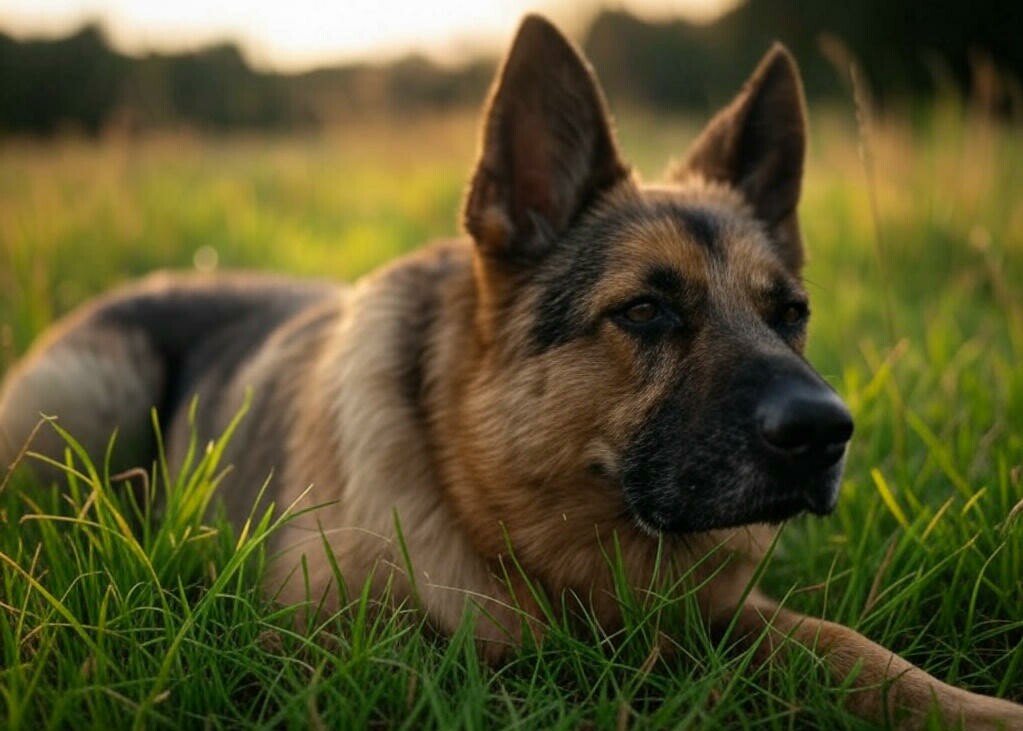
German Shepherds are prone to hip dysplasia, elbow issues, and degenerative myelopathy, particularly from poor breeding. Malinois, while generally healthier, can still face joint problems or eye conditions like progressive retinal atrophy. Adopting means you might inherit a dog with unknown medical history, so budgeting for vet care is crucial.
Socialization Needs
Without early and consistent socialization, their protective nature can tip into over-guarding or wariness of strangers. Malinois, in particular, can be more intense and suspicious, requiring extra effort to ensure they’re comfortable around new people, pets, or environments.
Time and Commitment
These breeds thrive on interaction and purpose. If you work long hours or prefer a low-maintenance pet, they’re not the right fit. Neglecting their mental and physical needs can lead to anxiety, hyperactivity, or even aggression—issues often seen in rescue dogs surrendered by unprepared owners.
German Shepherd vs. Malinois: Key Differences
While they share similarities, there are distinctions to consider:
- Temperament: German Shepherds are typically calmer and more deliberate; Malinois are high-strung and reactive, often described as “always on.”
- Size: German Shepherds are larger (50-90 lbs) compared to the leaner Malinois (40-80 lbs).
- Drive: Malinois have a higher work drive, making them ideal for intense tasks but harder to “turn off” at home. German Shepherds are more adaptable to family life with proper exercise.
Tips for Successful Adoption
- Research Rescues: Look for breed-specific rescues (e.g., German Shepherd Rescue or Malinois Rescue) that assess temperament and health before adoption.
- Meet the Dog: Spend time with the dog to gauge energy levels and compatibility with your lifestyle.
- Prepare Your Home: Secure a space with room to exercise and invest in durable toys or training tools.
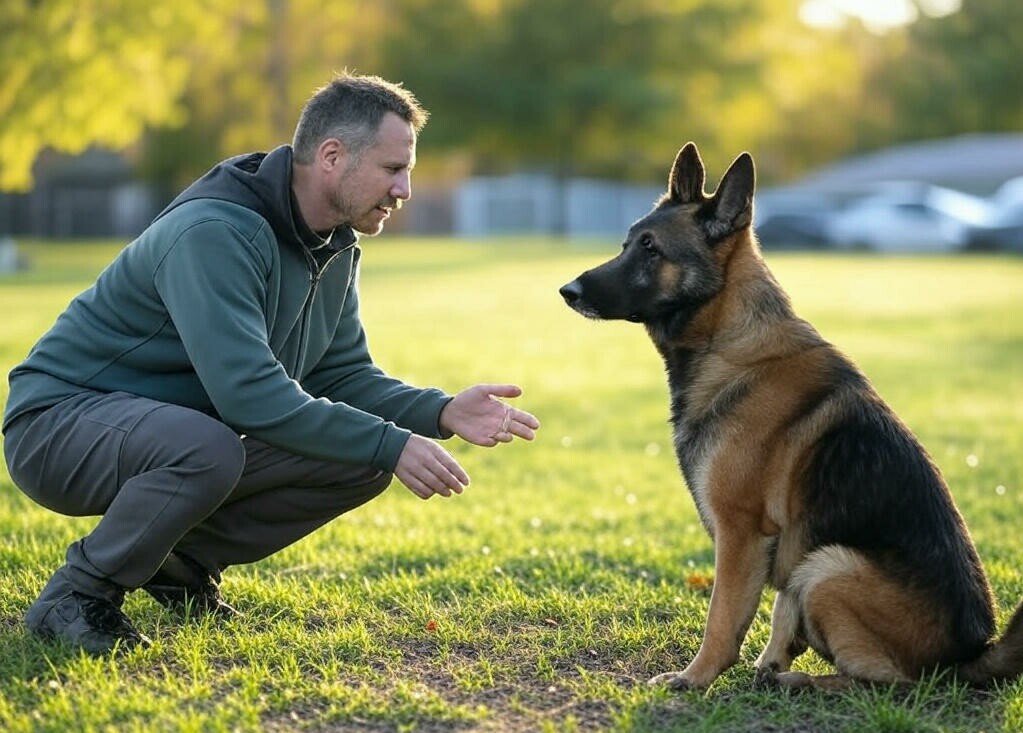
- Commit to Training: Enroll in obedience classes or work with a trainer experienced in working breeds.
- Health Check: Schedule a vet visit post-adoption to address any underlying issues.
Final Thoughts
Adopting a German Shepherd or Malinois can be incredibly rewarding if you’re ready for the challenge. Their intelligence, loyalty, and athleticism make them standout companions for the right owner. But they demand time, effort, and dedication—fail to meet their needs, and the experience can sour quickly. If you’re active, experienced with dogs, and eager for a partner in life’s adventures, one of these breeds might just be your perfect match. Take the plunge, but do it with eyes wide open.